
© Raya Martigny & Édouard Richard / Queer Palm
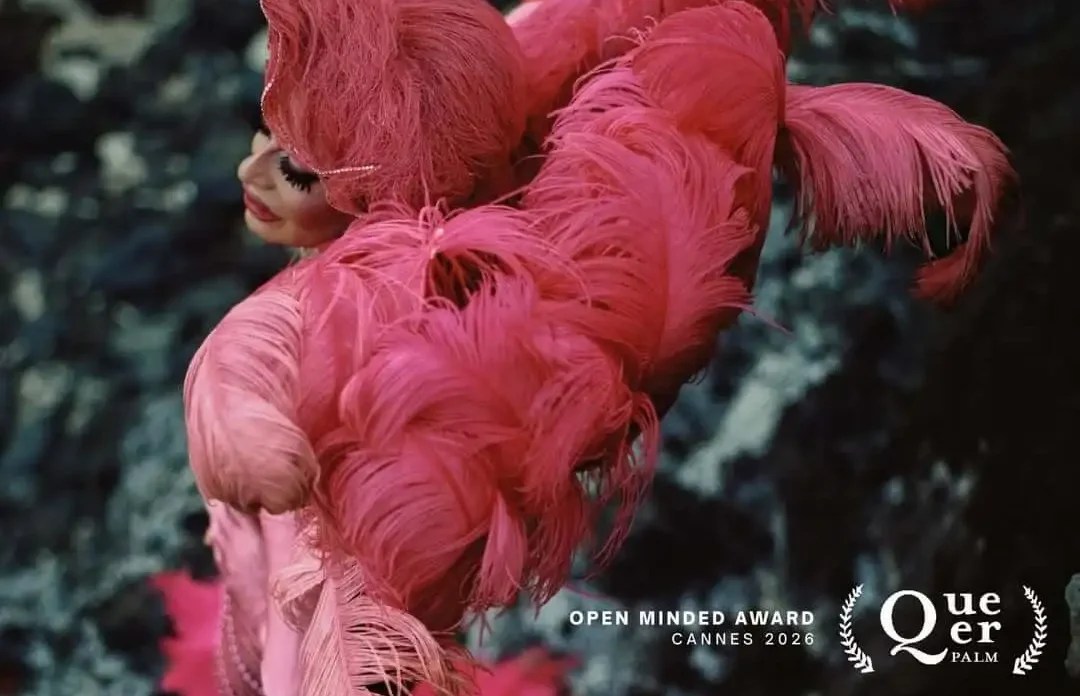
Each year at the Cannes Film Festival, the Queer Palm is awarded to recognize LGBTQIA+ cinema across the festival’s official and parallel sections. The 2026 selection, consisting of a record-breaking 21 feature nominees, highlights the importance of queer stories in cinema. In Marie Madeleine by Gessica Généus, religion, sex work, and homosexuality clash in Haiti. In Queer Palm winner Teenage Sex and Death at Camp Miasma by Jane Schoenbrun, the trashy slasher film genre of the 80s becomes a vehicle to rethink anti-trans scholarship through an examination of self-identification at the intersection of horror, sex and queerness. In Flesh and Fuel by Pierre Le Gall, the long-distance romance between two gay truckers is tested by the hardships of working-class labor. These films came together at Cannes to showcase current sociopolitcal concerns in global queer cinema.
Within the wider selection of queer films at Cannes, Club Kid by Jordan Firstman and Elephants in the Fog by Abinash Bikram Shah contribute to an ongoing debate within queer communities. Placed alongside July Jung’s Dora , which was notably absent from the Queer Palm selection, the three films navigate the question of how queer life can be sustained within a heteronormative society.

© Adam Newport-Berra
At the start of Club Kid , gay New Yorker Peter (Firstman) appears to be living the life of his dreams. His world is rooted in nightlife, filled with party drugs, casual one-night stands on the dance floor, hyper-specific queer gossip, and the presence of his all-queer chosen family. From an outside perspective, this life may appear unstable or excessive, but within the film’s queer social world, this environment provides intimacy and recognition, shielded from discrimination. Peter is surrounded by people who understand him and participate in a shared language. This world is disrupted when Peter discovers that, during a night in which a hookup persuaded him to have sex with a woman, he impregnated her. He now has a child to care for. The film’s premise raises the question whether parenthood and queerness can coexist without queerness being made palatable. For a while, the film suggests that this is possible and even viable. Peter’s community, despite its chaos, offers refreshing perspectives and a radically inclusive environment for his child. Firstman imagines care beyond the nuclear family and proposes forms of kinship that do not resemble heteronormative domesticity. However, Peter gradually realizes that the world that has sustained him may be too unstable for the child. As institutions and authorities track him down, he attempts to reshape himself into the normative figure of a responsible parent. Here, the lifestyle Peter pursues as part of his journey toward maturity, which Firstman frames as more sustainable, is also clearly more heteronormative. Must the care that queer people offer be toned down in order to be respected by the outside world?
© UTN, Les Valseurs, DGS
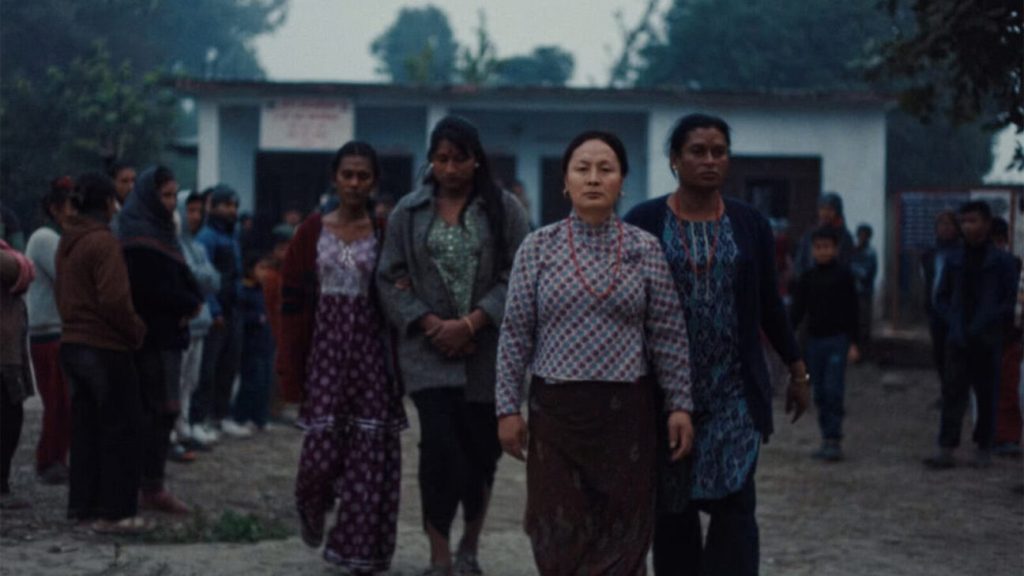
Elephants in the Fog follows a nearly inverse trajectory. Pirati (Pushpa Thing Lama) is one of the matriarchs of a Kinnar community in Nepal, whose third-gender/transfeminine traditions are sustained through distinct systems of family and belonging. In Shah’s film, the community survives through strict internal codes that center care for one’s chosen daughters, with heightened wariness of romances with men from outside the community. Pirati’s secret relationship with an outsider draws her away from the collective responsibilities she is tasked with upholding. When one of her daughters, who has also been flirting with a man from the village, goes missing, Pirati is forced to confront how the outside world views and treats transgender people. She finds a society in which people like her continue to be endangered by cisheteropatriarchal values that threaten to erase her identity and culture. Pirati learns that the only way to persist is to resist as a collective. Whereas Club Kid gives in to the pressures of heteronormativity to gain legibility, Elephants in the Fog insists on the necessity of standing with one’s community to fight off external forces.
© RedPeter Films
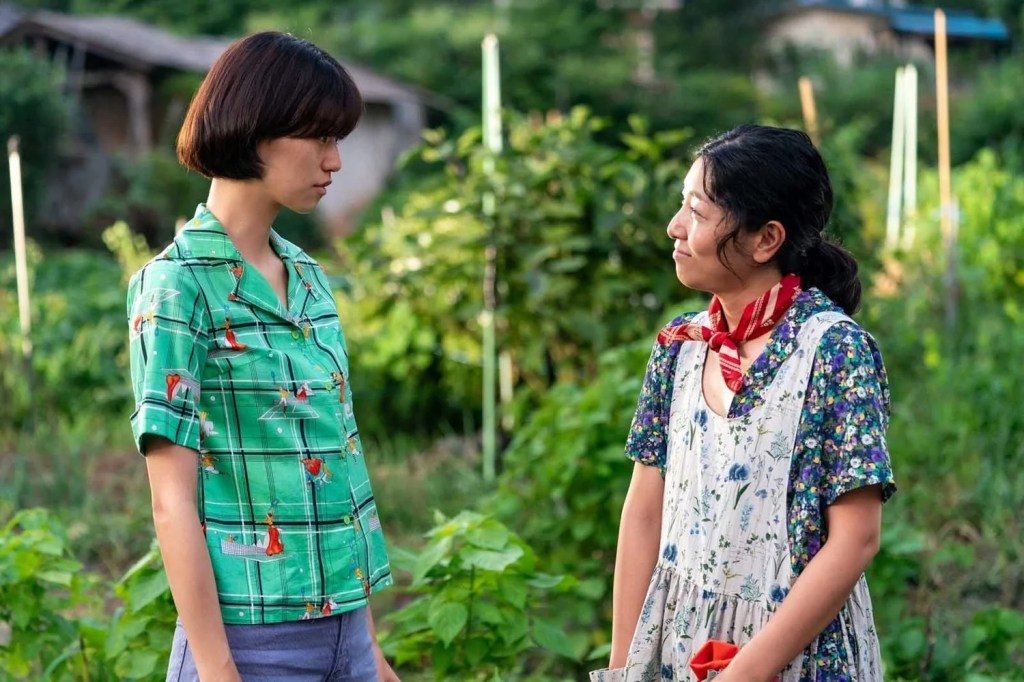
July Jung’s Dora introduces a third position regarding queer belonging. Set in rural South Korea, physically and mentally ill outcast Dora (Kim Do-yeon) has neither Peter’s chosen family nor Pirati’s protective community on her side to help her explore her puzzling identity. Her family’s move to a village initially suggests new opportunities and healing from Dora’s psychosomatic illness; she falls head over heels for the married Japanese woman who lives next door (Sakura Ando), and the mutual desire that unfolds between them quite literally clears up Dora’s debilitating rash. Yet Jung shows us that relocation alone cannot create a queer utopia, as the rules of the nuclear family, the patriarchy, and internalized homophobia haunt Dora in her new environment. Without a community to shelter her, Dora makes a radical and tragic decision to ensure the persistence of queerness all by herself.
Seeing these films in dialogue shows how cinema can approach the question of queer survival from different angles. Together, they encourage the kind of discourse queer communities require in order to think through their sociopolitical conflicts and fears, and offer possible responses. Once these films find their audiences beyond the festival circuit, they will be able to guide conversations about assimilation and isolationism. Are queer people safer by adapting to the outside world, should they firmly hold on to their exclusive spaces, or should they imagine entirely new ways to ensure queer survival?

