

Kiyoshi Kurosawa’s “Cloud,” the director’s third film of 2024 and another hit, is a sharp, unsettling dive into the dark underbelly of modern capitalism and digital-age alienation. Celebrated for his works in which he blends psychological horror and social commentary, Kurosawa once again demonstrates why he remains one of the sharpest cinematic analyzers of contemporary society. At 69, he continues to deliver films that dissect the toxicities of the digital age, the pervasive influence of capitalism, and the unsettling impacts of hyper-individualism. In Cloud, Kurosawa presents a world where ethics are blurred, greed is rampant, and the online world becomes a literal battlefield of hate.
Tag Archives: Venice 2024
Venice 2024 Review: “Quiet Life”

“Quiet Life” by Alexandros Avranas, who won the Silver Lion award at the 2013 Venice Film Festival for his film “Miss Violence” is a gripping and oftentimes bitingly satirical exploration of a family’s struggle for asylum in 2018 in Sweden. The film follows Sergei (Grigoriy Dobrygin), his wife Natalia (Chulpan Khamatova), and their two daughters, who have fled Russia claiming persecution due to Sergei’s promotion of banned political texts at his school. The family’s hopes for a new beginning are crushed by the cold and harsh system of Swedish bureaucracy, which doubts the credibility of their story and dismisses their application for asylum, leading to a sudden medical emergency. Avranas presents a narrative where the family’s life is reduced to a series of inspections, interrogations, and regulations, all captured through a meticulously controlled and sterile lens.
Venice 2024 Review: “One of Those Days When Hemme Dies”
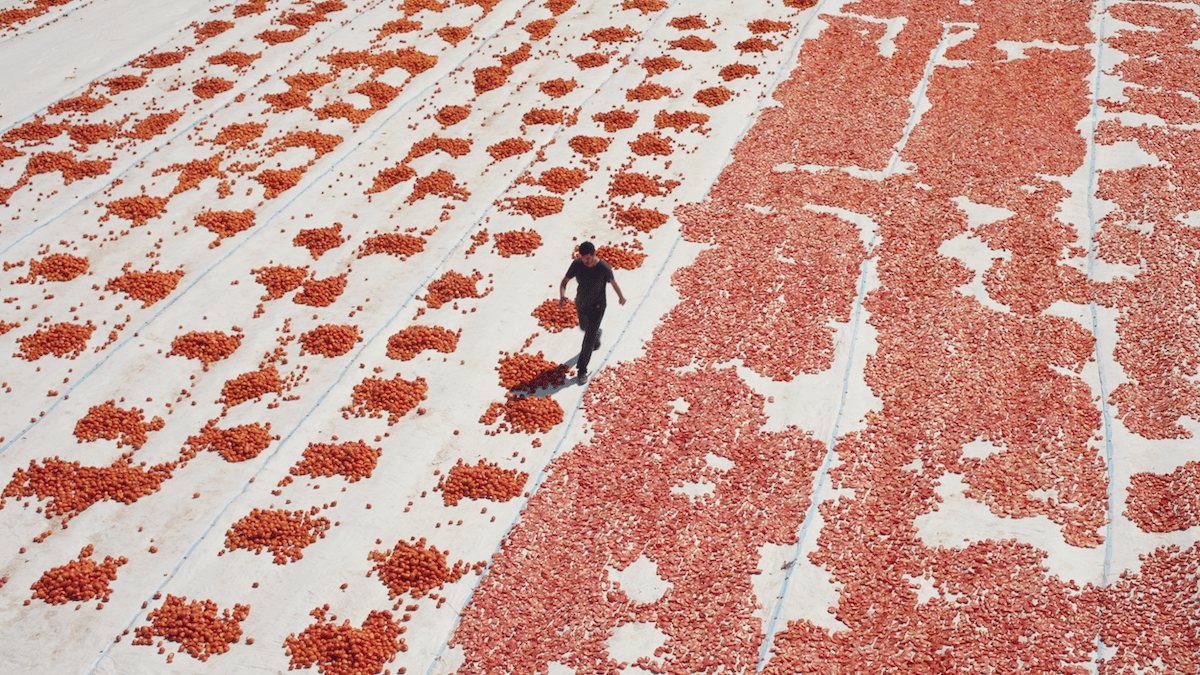
In Turkish Director Murat Fıratoğlu’s debut feature, “One of Those Days When Hemme Dies,” the audience is offered a glimpse into the world of a field worker who battles the oppressive realities of labor, poverty, and familial responsibilities in rural Turkey over the course of a single day. The film examines the balance between human dignity, the different kinds of people that make up our society, and the brutal socioeconomic forces that insert themselves into every aspect of the lives of the working class.
Venice 2024 Review: “Carissa”
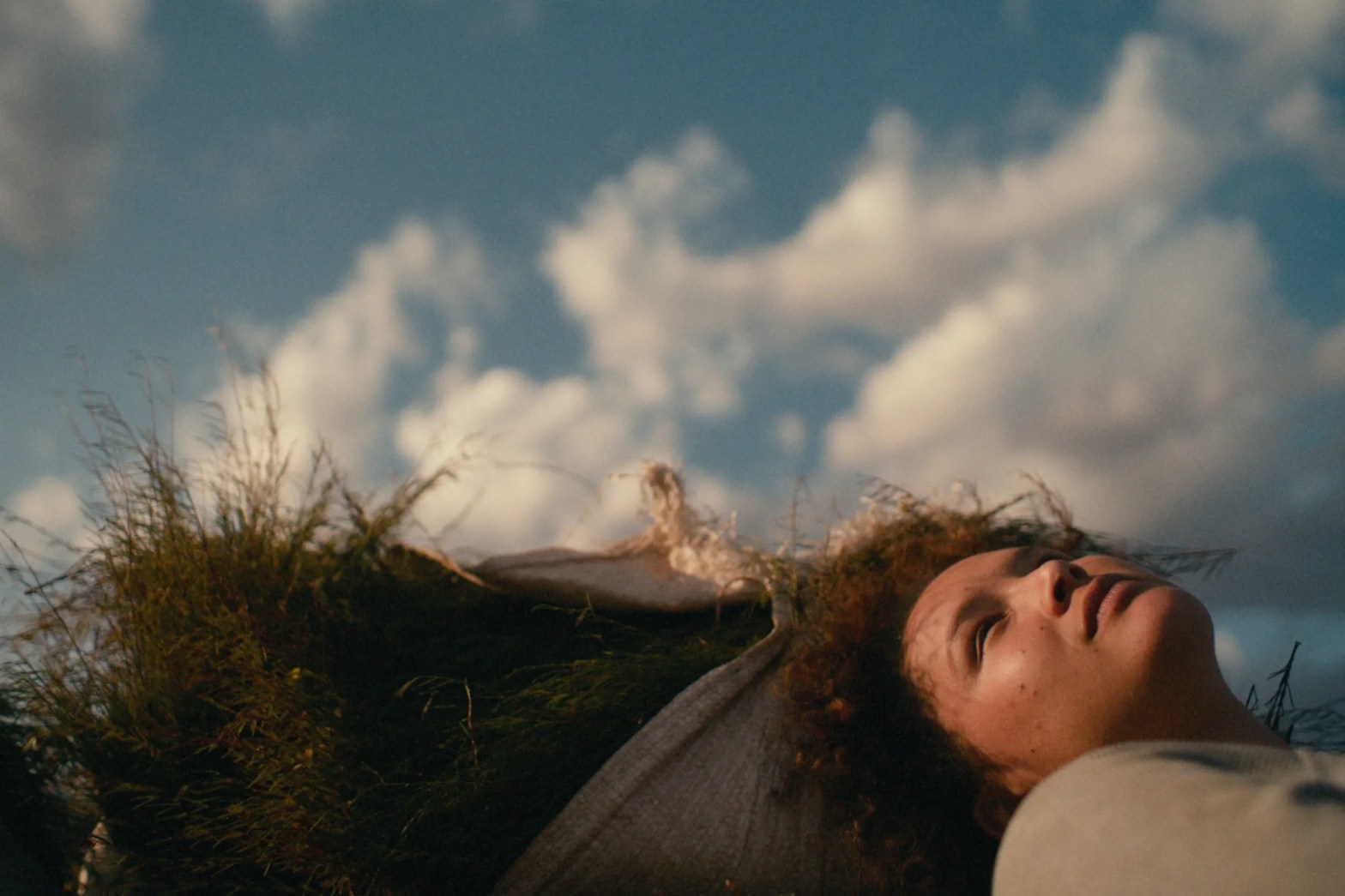
Na Aap Productions “Carissa,” directed by Devon Delmar and Jason Jacobs, is a contemplative exploration of identity, heritage, and the clash between tradition and modernity, set in the remote village of Wupperthal, South Africa. From the opening shot of the mountains at dawn, accompanied by the natural soundscape of birds, it’s clear that the filmContinue reading “Venice 2024 Review: “Carissa””
Venice 2024 Review: “Aïcha”
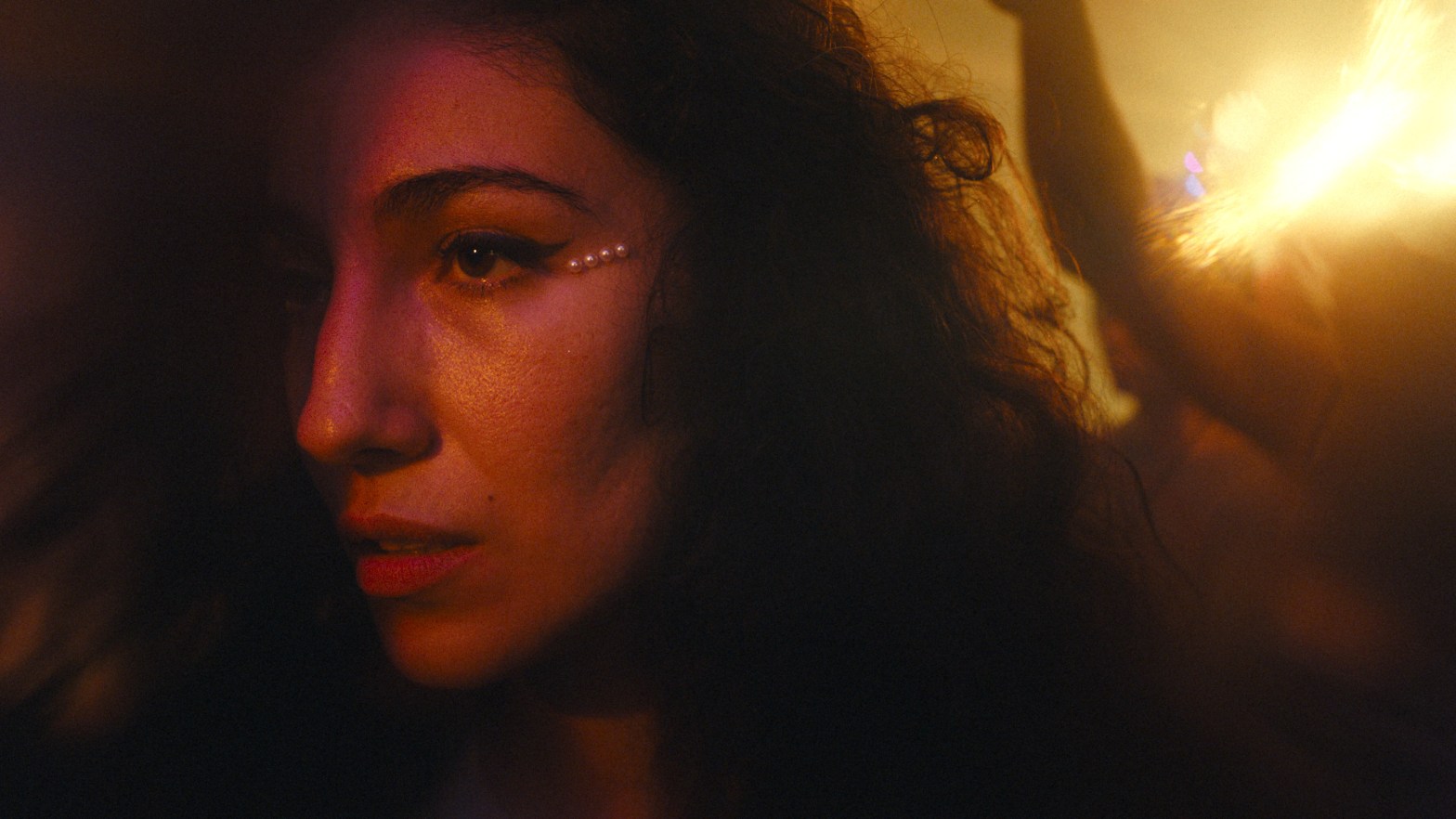
“Aïcha” explores life as a working-class woman in contemporary post-revolution Tunisia, a nation grappling with its fractured identity and deep-rooted social inequalities. Directed by Egyptian director Mehdi Barsaoui, the film centers on Aya Dhaoui (played by Fatma Sfar), a 30-year-old woman from a traditional village in southern Tunisia. Her story is of survival and self-reinvention, set against economic despair, patriarchal oppression, and a changing yet consistently oppressive society.
Venice 2024 Review: “Seeking Haven for Mr. Rambo”
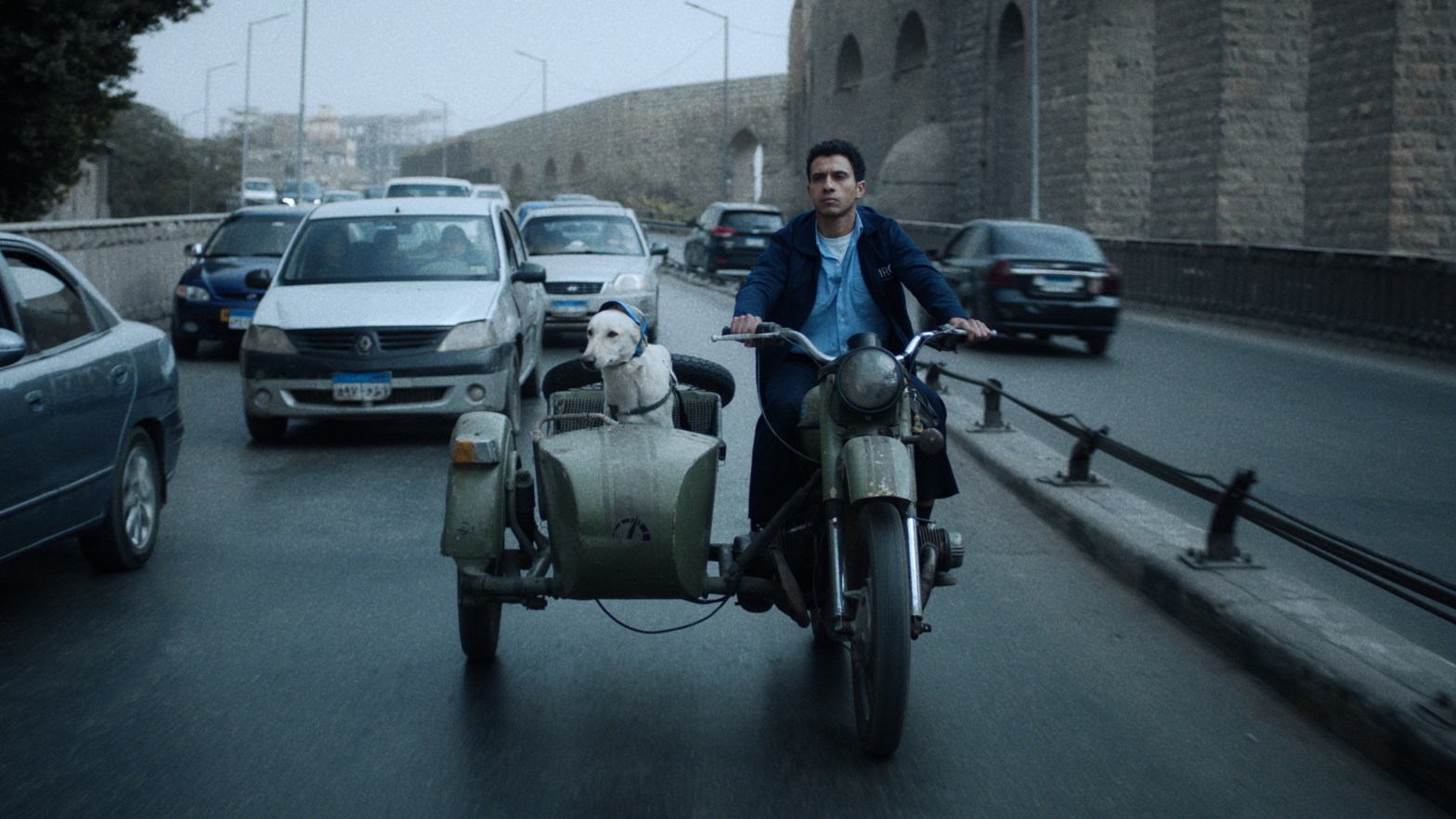
Seeking Haven for Mr. Rambo,” the debut feature film by Egyptian director Khaled Mansour is a powerful exploration of fragile masculinity, class differences, societal pressures, and the search for self-redemption. set in a working-class neighborhood of Cairo, the film focuses on 30-year-old Hassan, who lives with his mother and his beloved dog, Rambo. Their lives are upended when their landlord, Karem, decides to evict them to expand his car repair workshop. Hassan’s mother takes legal action against Karem, sparking a chain of hostile encounters that culminate in a public humiliation for Karem: after a physical altercation, Rambo, the loyal dog, bites Karem in a particularly sensitive area, leading to further escalation and forcing Hassan into a difficult journey across Cairo to find a safe place for Rambo.
Venice 2024 Review: “Possibility of Paradise”
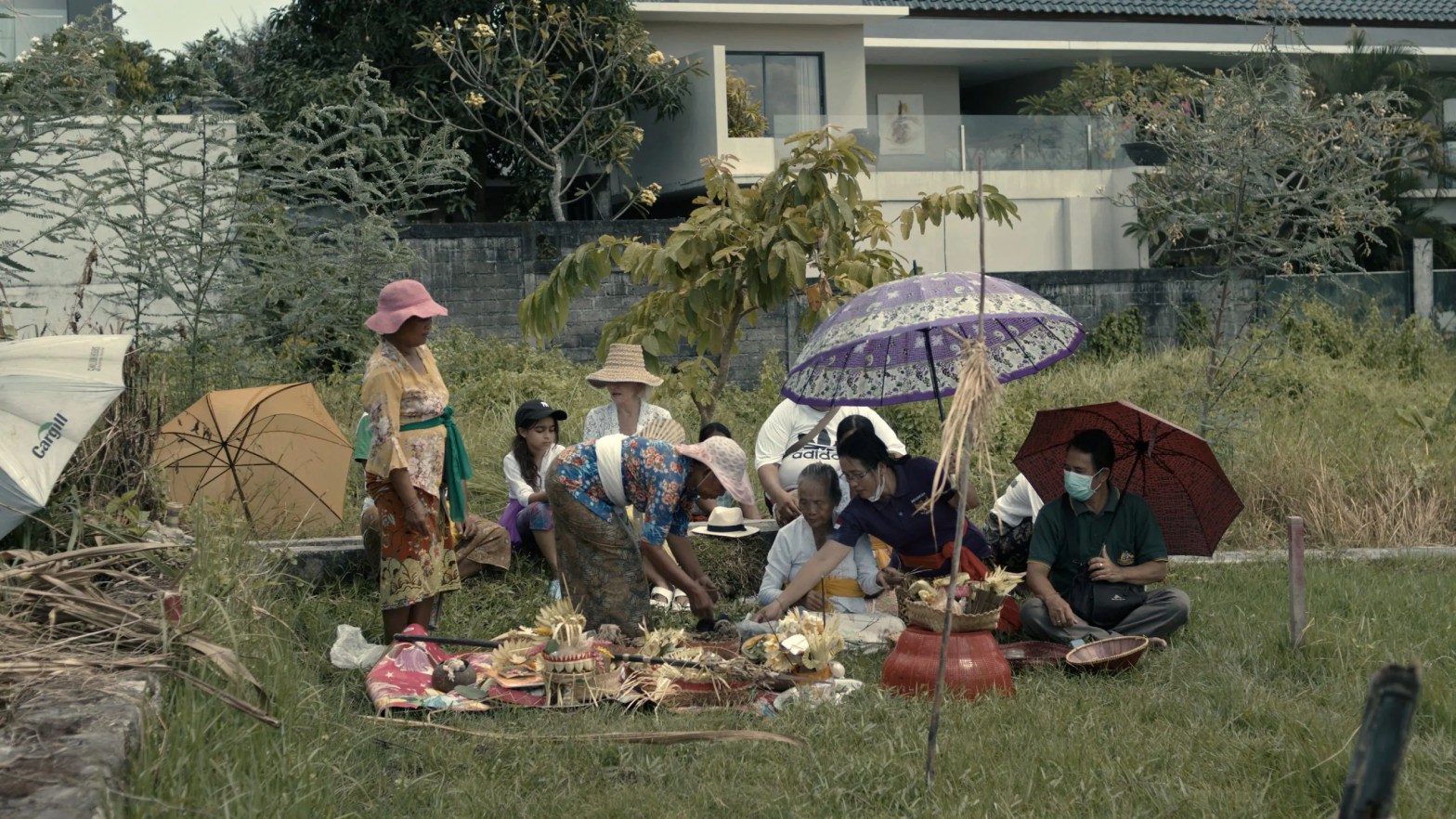
In “Possibility of Paradise”, Serbian documentarian Mladen Kovačević presents a bold, unconventional exploration of human desires and ambitions, set against the backdrop of Bali, Indonesia. The film is divided into a series of seemingly unrelated vignettes, each highlighting a different individual or group in search of their own version of paradise. An unconventional structure and observant, non-interfering camera heighten the film’s existential and philosophical undertones, inviting viewers to engage deeply with the questions it poses, rather than providing easy answers.
Venice 2024 Review: “Super Happy Forever”
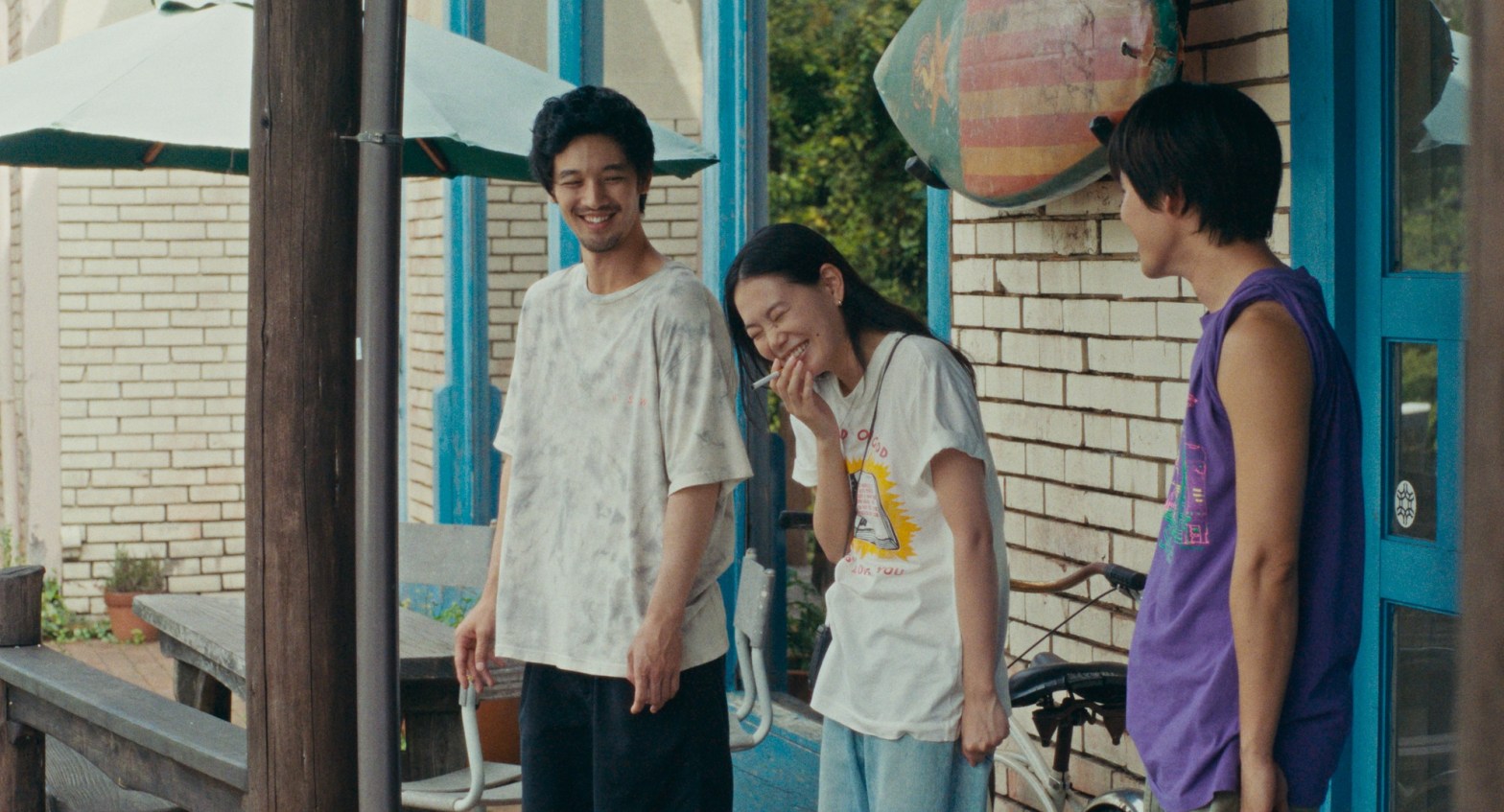
“Super Happy Forever,” by Japanese filmmaker Igarashi Kohei, is a beautifully tender and subtle exploration of grief, coincidence, and how our relationships with those we’ve lost continue to exist in the small, everyday things that remind us of them.
 obviouslyreviews.com