

“78 Days,” the debut feature film by Emilija Gašić, premiering at the 2024 International Film Festival Rotterdam (IFFR), is a remarkable Serbian production that delves into the heart of a family’s experience during the NATO bombings of Yugoslavia in 1999. Through an evocative narrative captured in the style of a home video, Gašić brings to the screen a story that intertwines the innocence of youth with the harrowing realities of war, making it a true standout example of found-footage filmmaking.
Tag Archives: Rotterdam 2024
Rotterdam 2024 Review: “Steppenwolf”
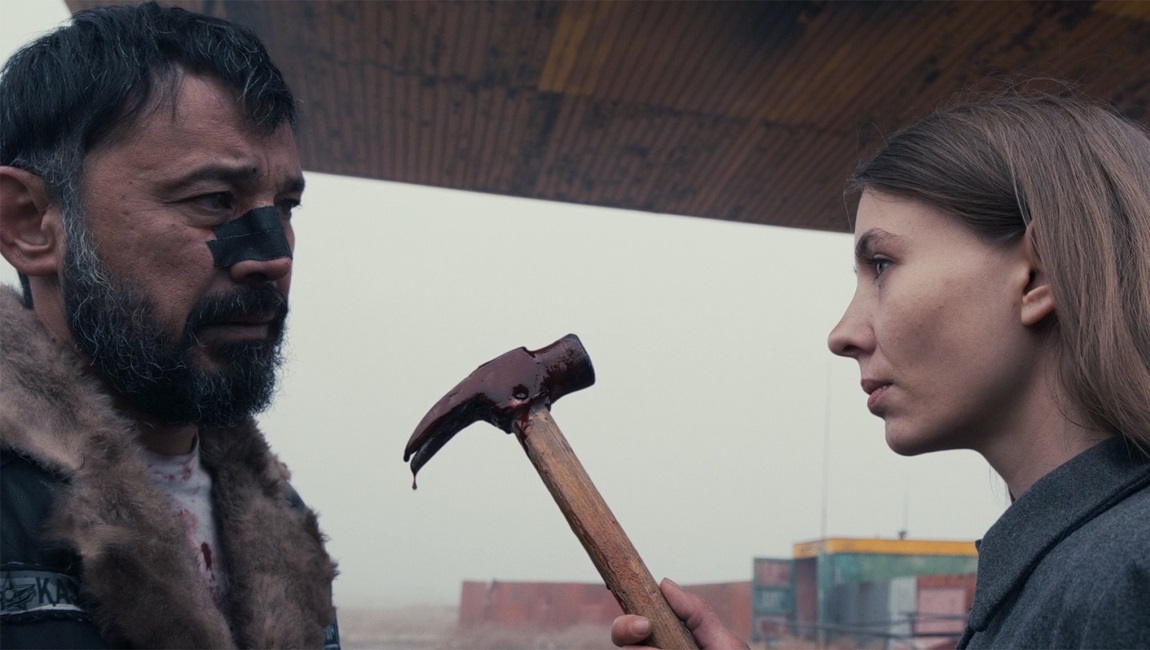
Adilkhan Yerzhanov’s latest film, “Steppenwolf,” is an exploration of trauma, violence, and masculinity, presented through the story of a mother looking for her missing child. Set against the backdrop of a violence-ridden small town engulfed in riots, the film follows Tamara, a traumatized woman in a nearly catatonic state of dissociation, as she searches for her son, Timka. Tamara’s desperation leads her to enlist the help of a brutal former investigator, offering him a reward to bring her child back. This unlikely partnership sets the stage for a fascinating journey through a landscape of despair and brutality.
Rotterdam 2024 Review: “How to Have Sex”

IFFR Throughout history, a great number of stories have been told through the male gaze. Even when female characters are centered, they’re often shaped by the desires of male artists. As a result, these works predominantly cater to male audiences. Yet, as the contemporary sociopolitical climate increasingly amplifies women’s voices, the cinematic landscape adjusts accordingly.Continue reading “Rotterdam 2024 Review: “How to Have Sex””
Rotterdam 2024 Review: “The Ballad of Suzanne Césaire”
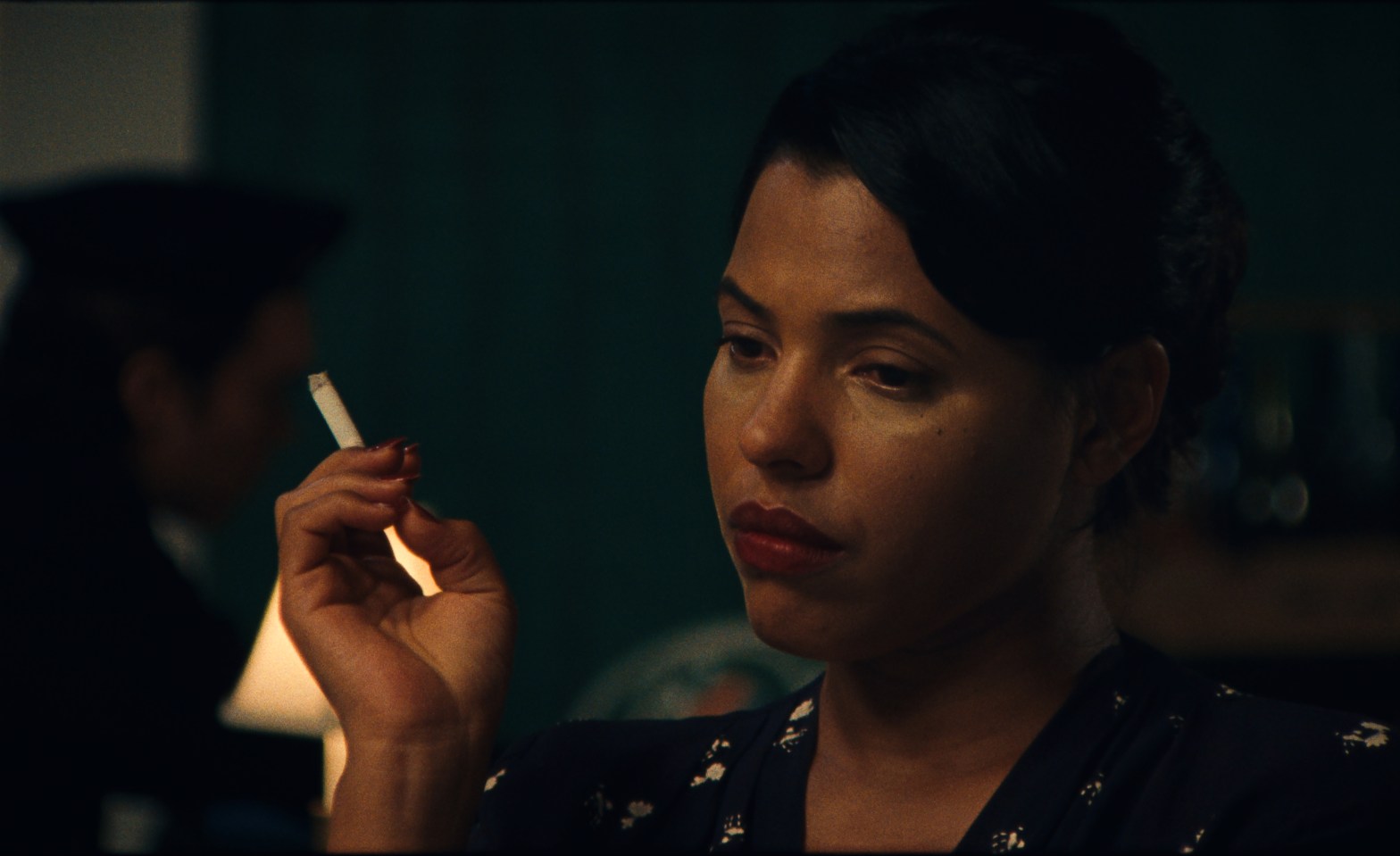
“The Ballad of Suzanne Césaire” by Madeleine Hunt-Ehrlich is a profound exploration of the life of a groundbreaking yet often overlooked intellectual figure. The film, lasting a concise 75 minutes, adeptly brings to the forefront Suzanne Césaire’s multifaceted identity as an anti-colonial writer, educator, and feminist, but also a real person with her own inner world. Hunt-Ehrlich’s work is a compelling reclamation of Suzanne’s rightful place in history, which has been obscured by the shadow of her more famous husband, Aimé Césaire.
 obviouslyreviews.com