
Na Aap Productions
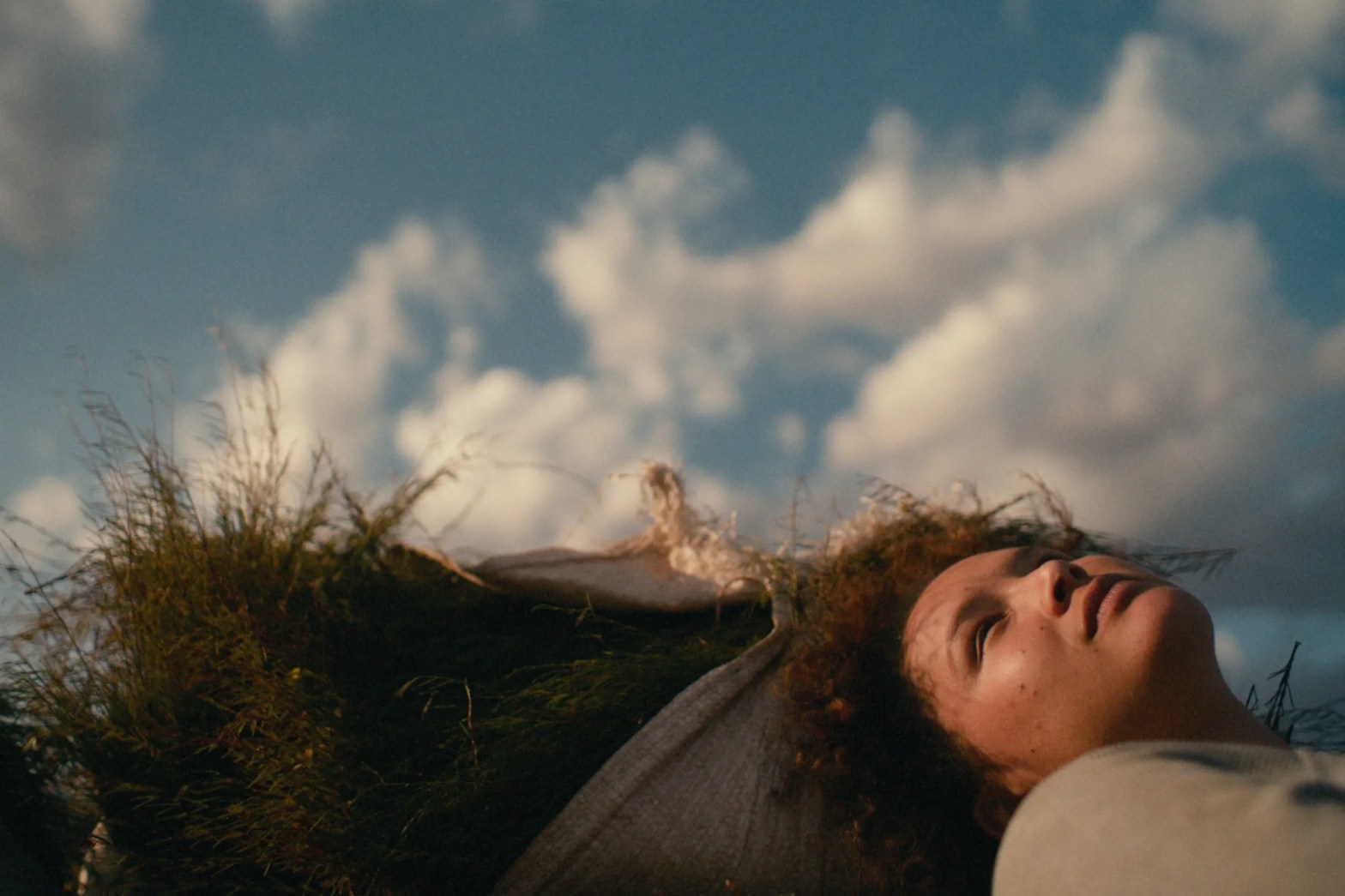
“Carissa,” directed by Devon Delmar and Jason Jacobs, is a contemplative exploration of identity, heritage, and the clash between tradition and modernity, set in the remote village of Wupperthal, South Africa. From the opening shot of the mountains at dawn, accompanied by the natural soundscape of birds, it’s clear that the film will be an atmospheric journey. Shot on grainy film, the cinematography emphasizes the beauty of the rural landscape, especially during low light, capturing both the peace and the tension that define the film’s narrative.
The narrative focuses on Carissa (Gretchen Ramsden), a young woman living with her grandmother (Wilhelmiena Hesselman). Carissa, often perceived as aimless and unmotivated, spends most of her time hanging out with her single friend and going out. Whenever she’s not doing that, we see her isolating herself and smoking cigarettes in a small, confined toilet room with her phone, seemingly detached from the expectations surrounding her. Her grandmother, frustrated with her lack of direction, pressures her to fill out applications for work in the city, insisting that a move away would transform her into a new person. This domestic tension is heightened by the occasional of her father in the film, an unreliable drunk whom Carissa reluctantly cares for, and a luxury golf estate being developed nearby, symbolic of encroaching modernity and capitalism.
The plot takes a turn when Carissa’s estranged grandfather, Hendrik (Hendrick Kriel), unexpectedly returns to the village. Previously kicked out by her grandmother, Hendrik wants to show Carissa the tea lands in the mountains, now that he is considering signing away to developers. Initially resistant, Carissa agrees, as the circumstances after a fight with the local reverend’s daughter force her to flee. The dynamic between Carissa and her grandfather, both strained and tender, becomes a core focus of the film, along with what he teaches her about the land as the two grow closer. Hendrik introduces her to the stories of her Khoe ancestors, leading her to question her to reconsider her own identity.
Owing as much to the directing as the photography, the mountains become a space for reflection and revelation. The cinematographer, Gray Kotzé, captures the natural beauty of the landscapes, presenting it as a character in its own right. The contrast between the upcoming golf estates and the untouched, ancestral lands where tea is traditionally planted is strong. This dichotomy is mirrored in Carissa’s journey, caught between the demands of modern life and the pull of her heritage.
Carissa’s internal struggle is depicted with a subtlety that avoids melodrama, allowing her silence and moments of stillness to speak. Her transformation is less about external change and more about finding inner peace and self-realization, which the film handles through its meditative pacing.
“Carissa” is a visually stunning and emotionally affecting film that offers insight into rural South African culture, its Indigenous lands, and the threat it faces from capitalist projects. This exploration of heritage, modernity, and the inescapable connection to where we come from leaves a lingering reflection on what it means to belong.
“Carissa” premiered at the 2024 Venice International Film Festival where it screened as part of the festival’s Orizzonti selection.
 obviouslyreviews.com