
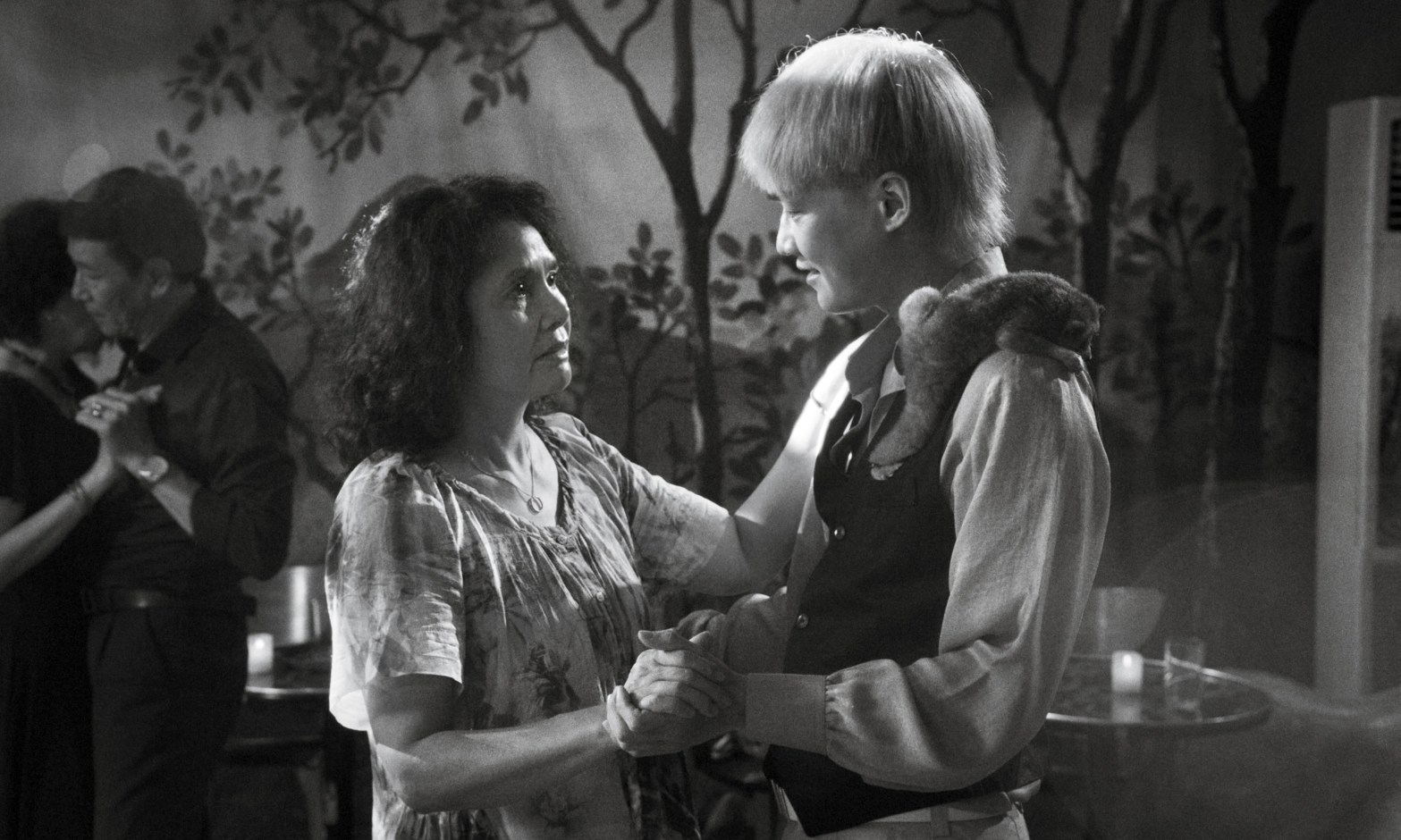
© Cadence Studio
After presenting a series of compelling short films at prestigious festivals such as Locarno, Sundance, and Berlinale, Vietnamese filmmaker Phạm Ngọc Lân has finally premiered his eagerly awaited debut feature, Cu Li Never Cries, at the Berlin Film Festival. The film offers a poetic exploration of how the past continues to influence us and the journey of adapting to the inevitable changes of the present and future. It follows an elderly woman, Mrs. Nguyện, as she navigates a world that has dramatically transformed around her.
Directed by: Phạm Ngọc Lân
Year: 2024
Country: Vietnam, Singapore, France, Philippines, Norway
Length: 92 minutes
Upon her return to Vietnam after a lengthy journey to Germany to collect her estranged husband’s ashes, Mrs. Nguyện is greeted by her niece, Vân. Along with her, she brings only a shattered urn and a pygmy slow loris that also goes by the name ‘Cu Li’, an endangered yet venomous creature native to the region. Faced with a society that has evolved and Vân’s unexpected pregnancy, Mrs. Nguyện is challenged to reconcile with the relentless march of time.
With “Cu Li Never Cries,” director Phạm Ngọc Lân masterfully juxtaposes various dichotomies: the old versus the new, and the young versus the old. Mrs. Nguyện is portrayed as a figure caught between eras, struggling to come to terms with a rapidly evolving world that feels increasingly alien. The film also delves into the familial strife, highlighting a particularly tense exchange between Mrs. Nguyện and her niece over the latter’s hasty marriage plans following an unplanned pregnancy, thereby underlining their generational divide. Director Lân’s stylistic choice to shoot the film in black and white further enhances these contrasts, adding a layer of nostalgia and visual metaphor to the narrative.
The casting of the film is particularly noteworthy, with Minh Châu delivering a remarkable performance as Mrs. Nguyện. Her portrayal captures the essence of a woman overwhelmed by the changes in her life and surroundings. Minh-Chau’s expressive facial cues, especially her wide-eyed look of astonishment, not only deepen our empathy for her character but also draw a poignant parallel to the character of Cu Li. This connection enriches the film’s narrative, weaving together the personal journey of Mrs. Nguyện and the broader themes of past legacies and change.
Although the film’s narrative initially seems slow to captivate, appearing somewhat directionless at the outset, it gradually builds momentum. Lân’s deliberate pacing in the early stages of the film turns out to meticulously set up the tone and narrative foundation, paving the way for a deeply moving conclusion.
“Cu Li Never Cries” is a poetic work that examines historical and political change in Vietnam, powerfully depicted through Phạm Ngọc Lân’s skillful storytelling and artistic vision. Through its exploration of generational divides, the personal struggle with change, and the strong performances of its cast, the film offers a rich, emotional experience. Lân’s debut feature is a significant contribution to the current wave of Vietnamese art cinema that continues to impress.
“Cu Li Never Cries” premiered at the 2024 Berlin Film Festival, where it screened as part of the festival’s Panorama selection
 obviouslyreviews.com