
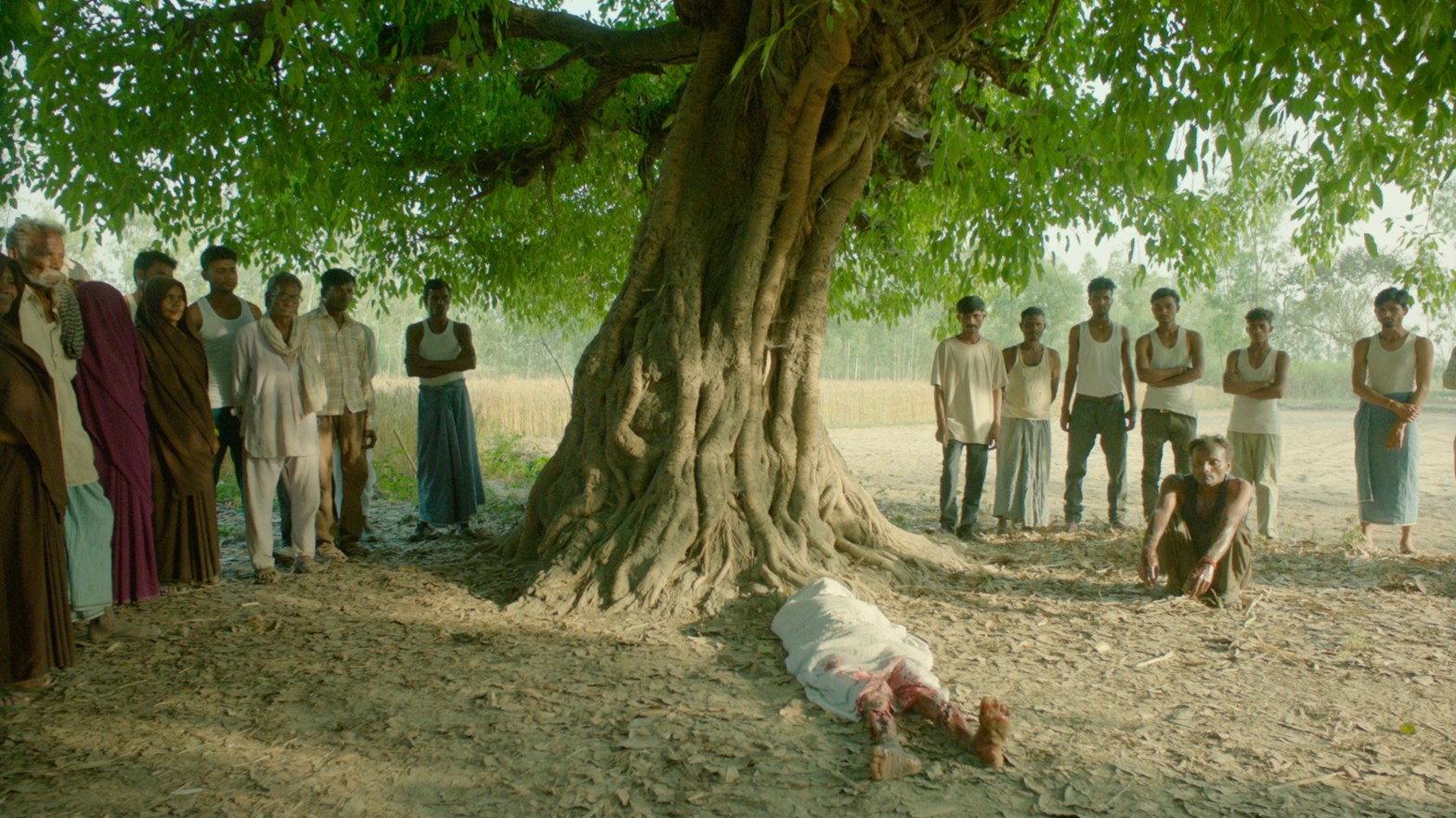
“In the Belly of a Tiger,” the sophomore feature by director Siddharta Jatla, takes audiences into the bleak realities of a Northern Indian village, grappling with poverty and the extreme choices some are forced to make in the name of survival. This Indian film, inspired by true events, unflinchingly portrays the life-and-death struggles of its characters, who are caught in a cycle of exploitative labor and increasing desperation. The narrative’s core, centered around the haunting possibility of self-sacrifice to a tiger for government compensation, introduces a unique blend of class drama and horror elements that sets the stage for an intense exploration of human resilience and familial bonds.
Directed by: Siddartha Jatla
Year: 2024
Country: India, USA, China, Indonesia, Taiwan
Length: 91 minutes
At the center of this narrative is a multi-generational family: grandparents Bhagole and Prabhata, their son Saharsh, and his two daughters. Having returned to their village, they confront the grim reality of their existence. The older generation’s inability to profit from farming, leading them to sell their land and then their only buffalo, and the family’s overall struggle to make ends meet are depicted with raw honesty.
The film’s visual appearance is impressive. Its use of lighting and a vivid color palette brings a certain vibrancy to the screen, showcasing stunning costume and production designs that are a feast for the eyes. However, this aesthetic choice seems at odds with the film’s gritty narrative. While the rich colors are visually appealing, they create a stark contrast to the story’s underlying themes of desperation and survival, leaving one with an unanswered question of how these elements complement the overall message of the film.
However, “In the Belly of a Tiger” excels in its portrayal of the harsh realities faced by the working class, juxtaposed against the cruel and exaggerated depiction of their oppressors. By highlighting the strong bond between his characters and their generosity despite their harsh living circumstances, Jatla makes it easy to empathize with the family. Unfortunately, the film’s narrative scope, at times, feels overly ambitious. A subplot involving Saharsh and a woman who appears to him in various dreamlike visions introduces a nostalgic longing for a better life but somewhat dilutes the film’s primary focus on the family’s struggle against poverty.
It’s in the final act that the film truly finds its footing. The courageous and heartfelt decision made by the grandparents to save their family from further destitution is both heart-wrenching and profound. This moment, driven by love and sacrifice, serves as the film’s most powerful testament to the human spirit’s selflessness. It’s in these scenes that the narrative’s earlier diversions are forgiven, as the emotional weight of the family’s plight fully comes to bear.
While “In the Belly of a Tiger” may have benefited from a tighter focus on its central theme of survival against all odds, it remains a film with lots of outstanding elements that audiences and filmmakers alike can learn from. The film’s exploration of familial bonds, poverty, and the lengths to which individuals will go for their loved ones offers much to reflect on. Despite its few missteps in narrative focus and visual style, the film manages to leave a lasting impact.
In the Belly of a Tiger premiered at the 2024 Berlinale Film Festival as part of the festival’s Forum selection.
 obviouslyreviews.com