
© Les Films du Losange
In “A Silence”, Belgian writer-director Joachim Lafosse exposes the unsettling truth about abuse that often goes unnoticed in the shadows of societal achievements. The film unearths the disturbing realities that can exist within successful, bourgeois households by peeling back the layers of prosperity and success. Through its nuanced storytelling, Lafosse’s tenth feature film sheds light on cycles of abuse, the line between loyalty and complicity, and the insidiousness of silence, pulling back the curtain on the darker aspects of domestic life.
Original Title: Un silence
Directed by: Joachim Lafosse
Year: 2023
Country: Belgium, France, Luxembourg
Length: 100 minutes
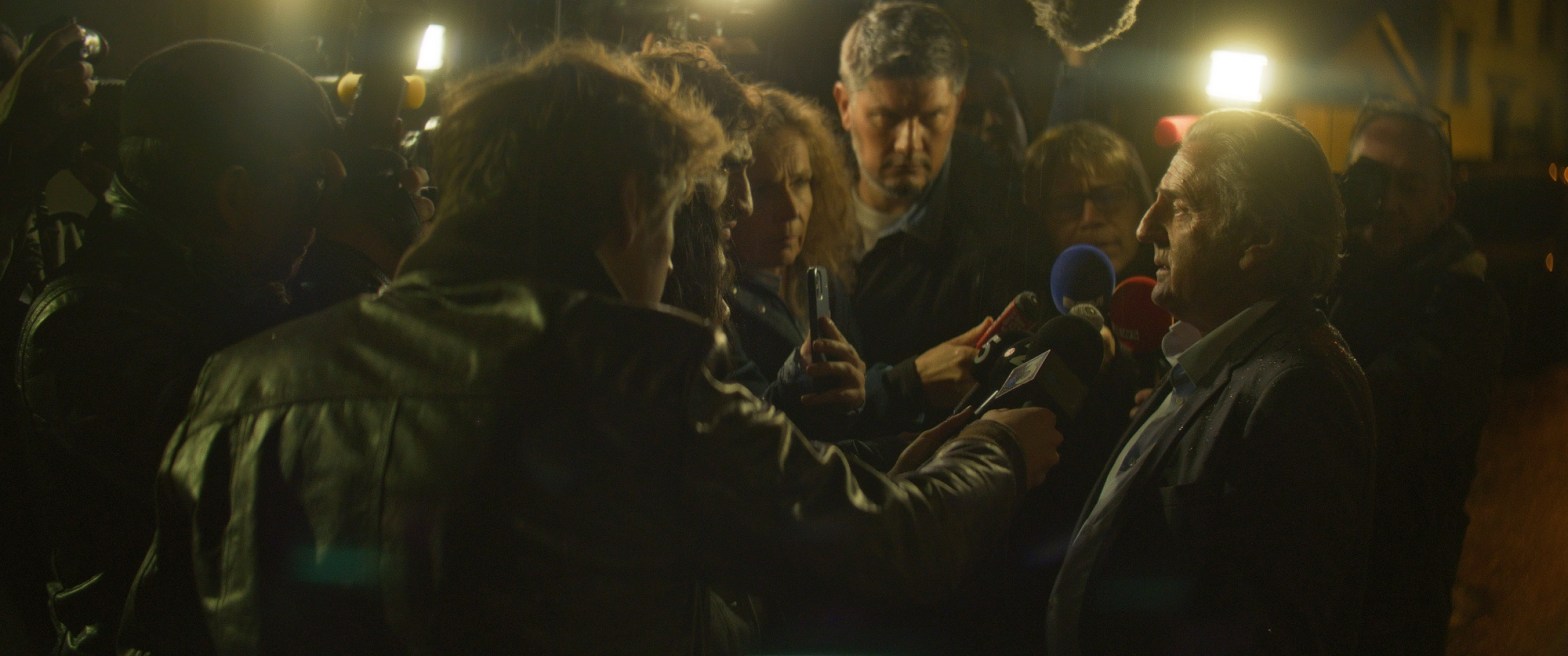
At the center of the narrative are Astrid and her spouse François. François is a prominent attorney who is celebrated for advocating for victims of abuse who haven’t received sufficient support from the system. Constantly pursued by the press and frequently appearing on TV, the man has garnered a kind of celebrity-like status. At home, Francois thanks his family for supporting him, telling them he loves them. However, as we follow François, Astrid, and their son Raphael, their seemingly idyllic lifestyle gradually reveals significant flaws. A dark secret from the past is on the verge of shattering the family’s peace and shifting dynamics. Astrid’s silence on a horrifying past, which has lasted for decades, is about to be tested.
Lafosse’s skillful directing is evident in the way he paces the story, allowing tension to build gradually and letting scenes breathe. His use of prolonged shots, particularly of the characters’ faces, amplifies the emotional weight of the unfolding drama. The introductory scene, where a rear-view mirror captures Devos’ eyes, immediately conveys a spectrum of emotions. Even without context, the uncertainty, fear, and conflictedness are palpable, setting the tone for the subsequent unraveling. These moments, absent of dialogue yet brimming with emotion, provide truly remarkable moments of visual storytelling.
The screenplay exquisitely balances revelation and restraint. As the plot advances, facets of the family’s intricacies come to light, allowing Lafosse to examine the psyche and motivations of its central figures even deeper. It’s a delicate balance, ensuring the revelation of sordid details isn’t gratuitous but serves to deepen the audience’s understanding of character motivations and making sure there is no room left for ambiguity or interpretation when it comes to the events in the film. Astrid’s silence, underpinned by myriad factors ranging from societal status to personal loyalties, is neither glorified nor justified; it’s meticulously dissected. The screenplay also poignantly emphasizes the thin line between loyalty and complicity, challenging viewers to introspect where allegiance ends and culpability begins.
The timing of “A Silence” is undeniably fitting. In an era where conversations about past trauma and abuse are ever-present, the film does not merely capitalize on a topical subject but elevates the discourse. Since the inception of movements like #MeToo, the question of “Why now, after so long?” has persistently echoed. Through the dissection of a singular family’s dynamics, Lafosse endeavors to address this, highlighting factors such as loyalty, fear, and societal pressure that often weigh in the abused remaining mute. It’s a bold step towards fostering empathy and understanding to tackle unwarranted and uninformed judgment.
“A Silence” is an evocative exploration of the intricate intricacies of family, trust, and the heavy toll silence exacts. Lafosse crafts a film that resonates deeply with contemporary audiences, addressing timely issues, and prompting reflection from its audience. Lafosse’s unflinching vision makes this not a film for the faint-hearted, but undeniably essential viewing for those seeking a profound understanding of the complexities of silence.
“A Silence” Screened at the 2023 San Sebastián Film Festival as part of its International Selection
 obviouslyreviews.com