

© Tippett Studio
After 30+ years of development, SFX Master Phil Tippett delivers an impeccably crafted stop-motion horror fantasy.
Directed by: Phil Tippett
Year: 2021
Country: USA
Length: 83 minutes
Legendary two-time Oscar-winning VFX artist Phil Tippett, the talent behind some of the most iconic special effects in films like Starship Troopers, Robocop, Jurassic Park and the Twilight movies is back with his sophomore film as a director: Mad God, an absolutely bonkers spectacle, coming from the mind of a creative mastermind.
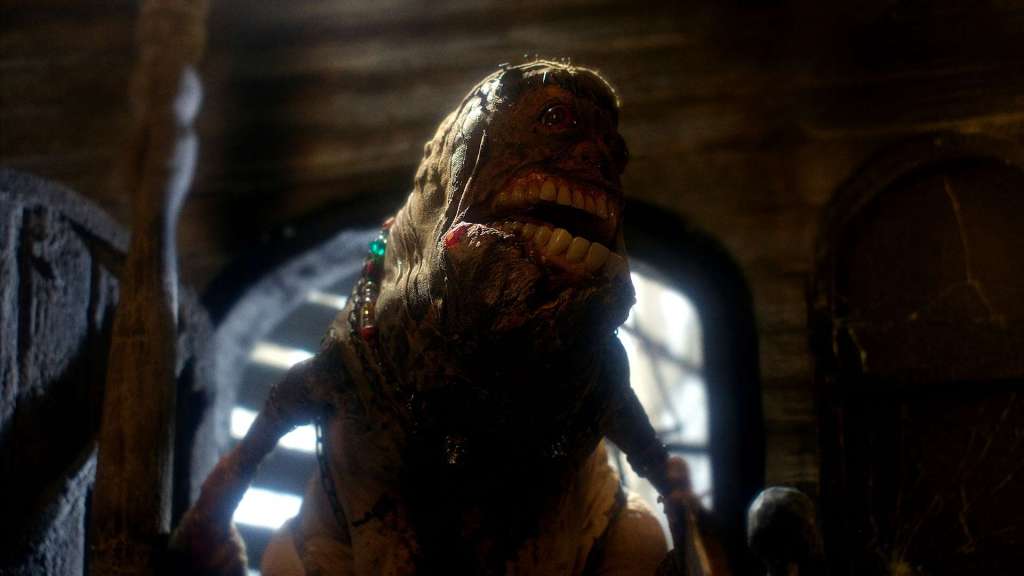
Mad God invites its audience to the world of an enormous ensemble of some of the most nightmare-inducing creatures to have graced the big screen. Some are dinosaur-like with humanlike teeth, some resemble monkeys, some are hairy, with strange, nearly vomit-inducing fluids coming out of them, but all of them are completely out of this world. There are hints of Tippett’s earlier works to be seen in them, but what he presents in Mad God is something entirely new. It’s hard to even describe what these characters and their world look and act like, as they’re something we’ve never seen before.
This sensation of complete foreignness, along with a dark color pallette and gory imagery, adds a feeling of unease to this strange experience,which oftentimes feels like it comes straight out of a fever dream. One will undoubtedly ask themselves ‘What the hell am I looking at?!’, which only proves the brilliance of Tippett’s innovative vision even more. It’s a lot to take in on a first look, but Tippett gives the viewer enough time and space to do so. By choosing to have no -intelligible- dialogue featured in the film, the director makes sure there’s nothing to distract the audience from the unique look of and primal sounds within this world.
While there certainly is a narrative that holds the film together, it’s slight enough to let the viewer be immersed into the world of these creatures, rather than focus on excessive storylines. Mad God primarily concerns itself with creating an atmosphere around its setting. The worldbuilding in the film is unlike anything out there. The first shot of the film is that of a tall building, the architecture being similar to the craft in Fritz Lang’s 1927 masterpiece Metropolis; a film that’s still celebrated by many for its incredible production design. Both films have introduced a whole new level of practical artistry to cinematic worldbuilding. With all its innovation, will Mad God go down as the modern Metropolis and inspire tons of artists with its vision? Time will tell!
It’s noticeable that Mad God has been in production for a very long time. Each frame consists of precisely detailed sets and is filled with all kinds of objects. Tippett and his team have created countless unique creatures, buildings, moving devices, vehicles, spaceships, streets and even planets from all sorts of materials. Anything you could imagine from a fully realized fictional world and a lot more. There’s a great amount of depth in field to be found in the shots and the stop-motion animation is smooth as butter. At times it even makes you forget that some of these scenes weren’t shot in real time, but over the course of over thirty years at Berkeley Studios.
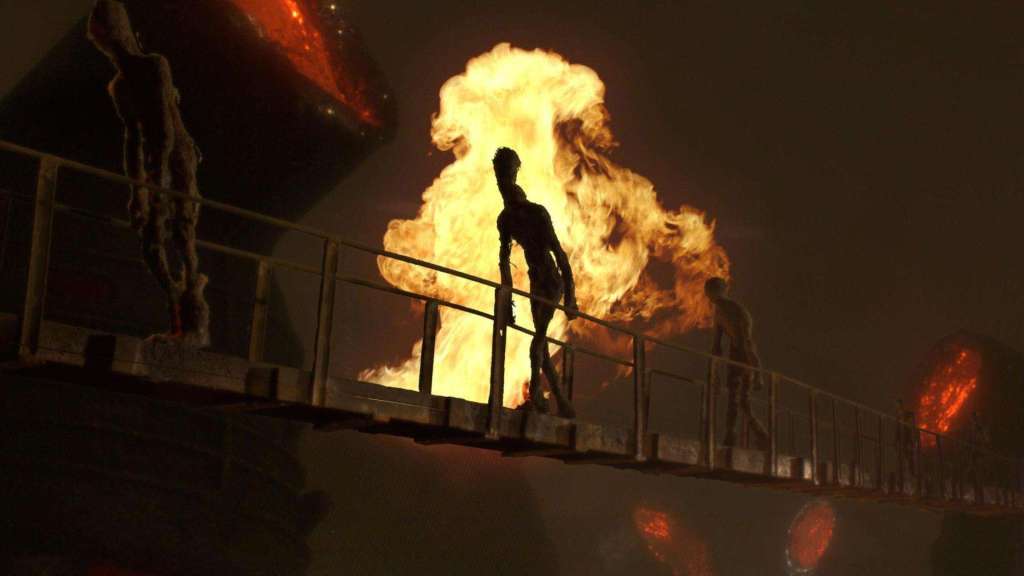
Mad God is a true ode to the art of the pure cinematic craft we were familiar with, before CGI took over.
Mad God premiered at the 2021 Locarno Film Festival, where director Phil Tippett will receive the 2021 Vision Award Ticinomoda with which the Locarno Film Festival and Piazza Grande honor film personalities whose behind-the-scenes work contributed to the innovation of the cinematic landscape.
 obviouslyreviews.com