
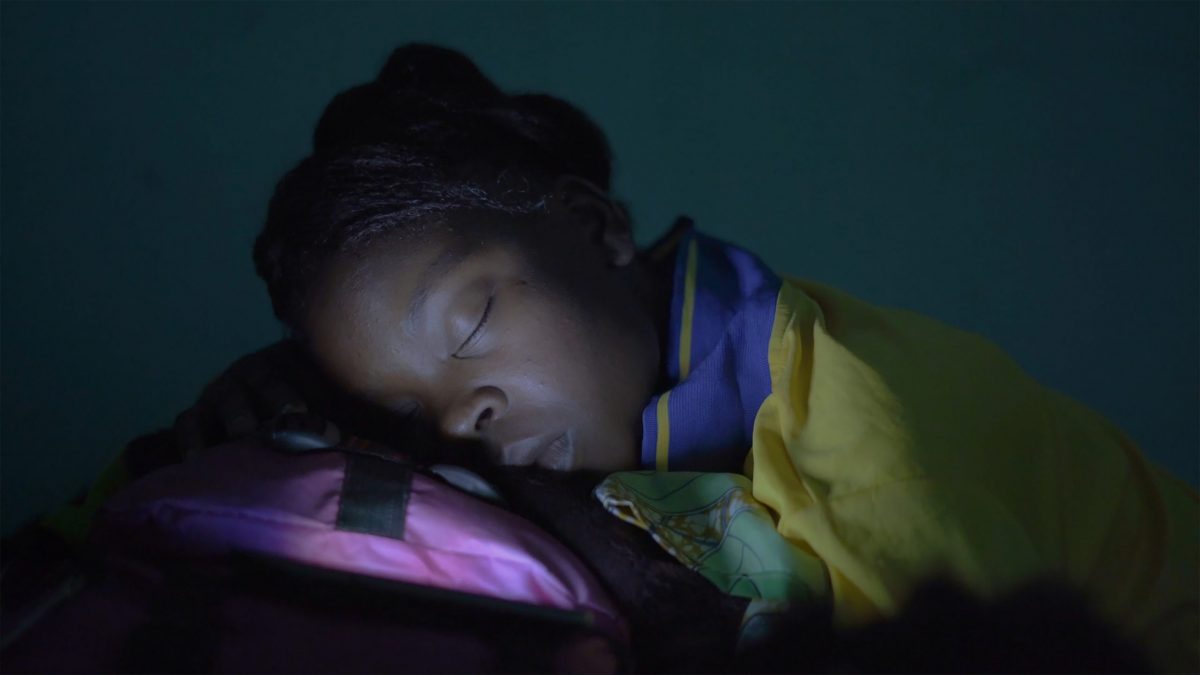
In a melancholic and deeply empathetic documentary portrait, director Ousmane Samassékou focuses on a series of brief moments in the lives of several West African migrants in The House of Migrants in Gao, Mali.
Directed by: Ousmane Samassékou
Year: 2021
Country: France, Mali, South Africa
Length: 85 minutes
The last shelter gives its viewer insight into the journey of the temporary residents of a sanctuary for migrants who just left their homes and the ones who return to where they came from after seeking a better existence.
Director Ousmane Samassékou uses a voyeuristic style to shoot The Last Shelter. He is not heard or seen, nor is his presence ever felt. The director does not interfere with the events that occur in the house and doesn’t interact with the people that he follows. This causes the documentary to feel genuine and true, showing us pure reality. Instead of asking questions, Samassékou lets the migrants themselves decide what they want to talk about. There is no narrative or stylized structure in this fragmentary documentary; just pure moments of people living their lives, learning and sharing stories with each other, giving them plenty of space and time to breathe, gently.
Their stories are unique, moving and, without going too much into politics, tell us a lot about the challenges they’ve had to face and things they’ve had to give up in order to be where they are now. The focus lies purely on these individuals and their activities in this house. There’s a certain kind of beauty to be felt in the group of people bonding and being able to express their thoughts and feelings to others who are going through similar journeys.
‘Do you think we can trust these people?’ a young girl, Kadi, asks her 16 year old friend Esther in the beginning of the film. ‘They’ve been welcoming and they gave us a place to sleep’, Esther answers. This short conversation emphasizes how the House of Migrants is a safe haven on a road full of danger and uncertainty, even if only for a brief moment.
In between the conversations and shared moments several residents have in the house, the director focuses on some of the threats to be found outside. Several long shots highlight the environment that surrounds the house: a dry and warm desert, with dangerous sandstorms, endangering the safety of the ones who enter this landscape. That is only one of the many dangers these courageous migrants face, in a zone full of injustice and cruelty.
And their courage is what all the people in this humanistic documentary have in common. There’s the migrants, who risk it all to follow their dreams, hoping to move to a more bearable life, helping each other and going through this experience together. However, also not to be forgotten are the men working at the shelter. The men who show love, support and acceptance to people who’ve been needing it so badly, educating them and preparing them as much as possible for the harsh roads that are yet to come. Samassékou pays them respect, by highlighting their acts of immense kindness, empathy and true humanity throughout the film.
By the end, The Last Shelter has offered outsiders a chance to catch a glimpse of what the lives of these migrants look like. The documentary hopefully causes more people to change their perspective on migration and lets them reflect on the way they look at the people who are forced to seek safety and desire to live a better life.
The Last Shelter premiered at the 2021 CPH:DOX Documentary Festival, where it won the Dox:Award. Audiences are able to watch the film at home on the virtual Durban International Film Festival platform from the 22nd of July until the 1st of August.
 obviouslyreviews.com