
In this article I will be looking at nine short films that premiered at the 2021 Cannes Film Festival as part of the Semaine de la Critique selection. A refreshing slate of short films from all over the world, made by the hottest upcoming auteurs in cinema..
Brutalia, Days of Labour
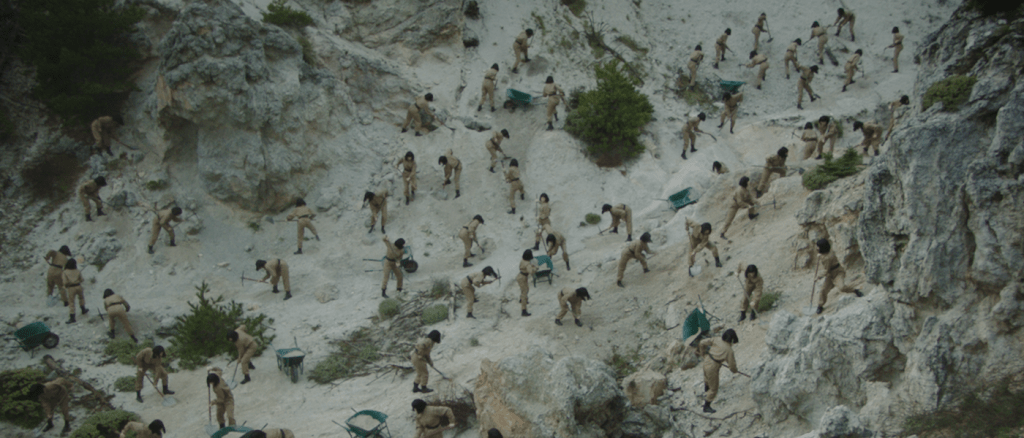
Starting off with the film that took home the Canal+ Award: Brutalia, Days of Labour, from Greek filmmaker Manolis Mavris. The film offers an anthropological look at the lives of bees, from a very human perspective. The group of bees is portrayed by an ensemble of identical-looking actresses, dressed in military uniform. This makes for an absurd and comedic experience, but also an engaging look at how these animals function in a homogeneous society and what it would look like if us humans took their place. With a confident and authentic vision, beautifully shot scenes, and exquisite sound design that fully comes to life during a stunning opera sequence, Mavris and his crew manage to create a humorous, sometimes brutal and thoroughly interesting experience.
Lili Alone
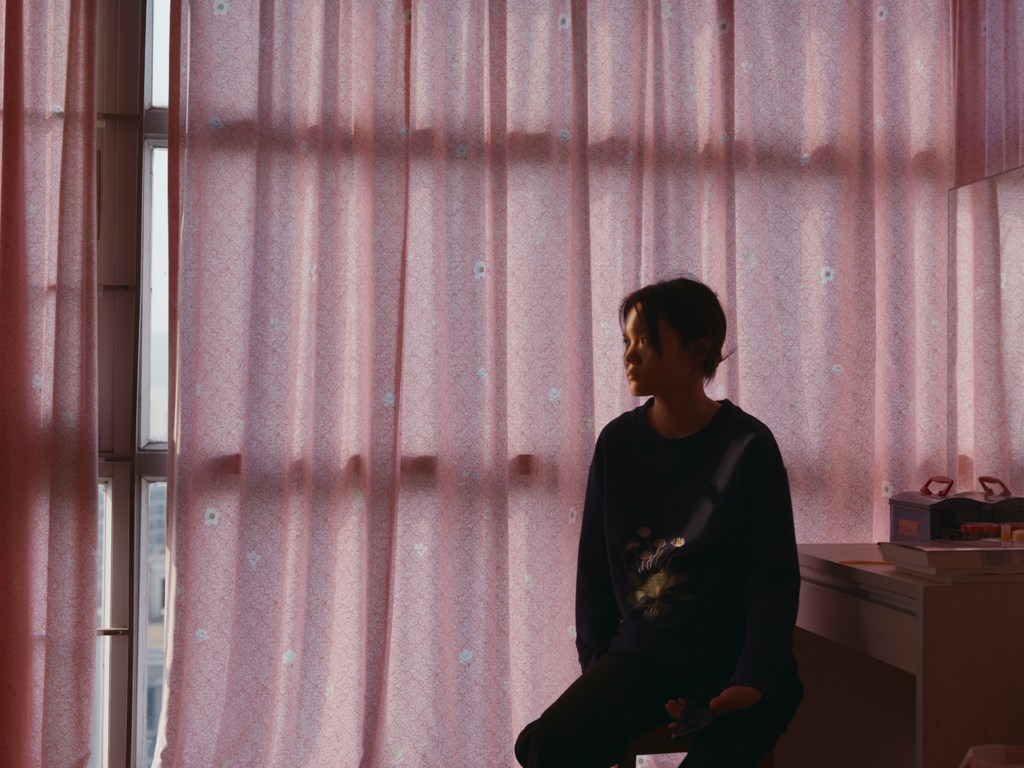
Chinese-Hong Kong-Singaporean production Lili Alone is the winner of this year’s Leitz Cine Discovery Prize. This short is the directorial debut of Zou Jing and was produced by Qiu Yang, who in 2017 won the Palme d’Or for his short film Under the Sun. Lili Alone follows a poor young woman who lives in Sichuan with her young child and her gambler husband. She finds herself isolated in a big city, where she tries to make money to save her dying father. In a mere 22 minutes full of realism, Zou Jing creates a quiet, affecting and deeply empathetic portrait of a lonely young woman who’s giving up a part of herself to make ends meet.
An Invitation
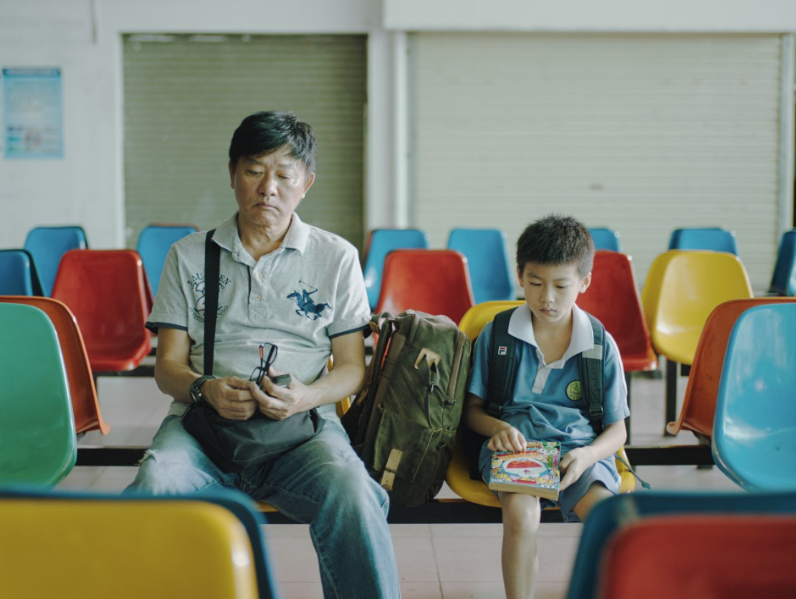
An Invitation by Chinese director duo Hao Zhao and Yeung Tung opens with an 8 year old Chinese boy applying for a Hong Kong ID to stay with his father. There’s a strong sense of distance to be felt between father and son, which is highlighted by the framing of several shots and a lack of dialogue between the two. While An Invitation would’ve benefited from an expanded plot, the film does a great job at silently portraying the bond between these characters and highlighting how one can feel like an outsider, even at a place they should be able to call home.
Safe
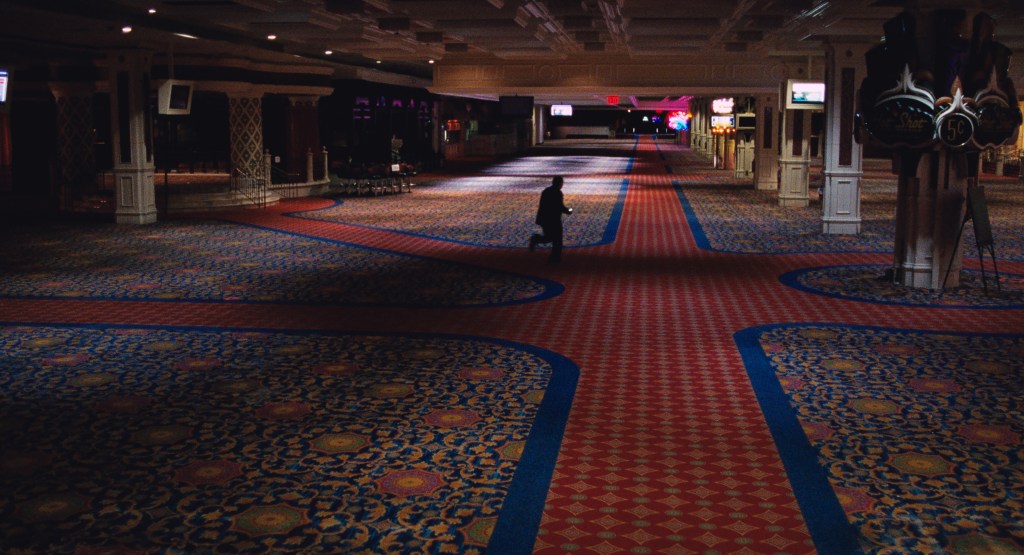
Ian Barling’s Safe follows a casino manager (Will Patton), who reflects on his role as a father, when he finds out that his son has gotten into trouble. In a tense 16 minutes, the relationship between these characters is deconstructed. As viewer, while watching Safe, you’re always kept at a distance, creating a sense of voyeurism. Patton delivers a convincing performance as a father who gradually becomes more worried about his son’s situation and his own shortcomings.
Inherent
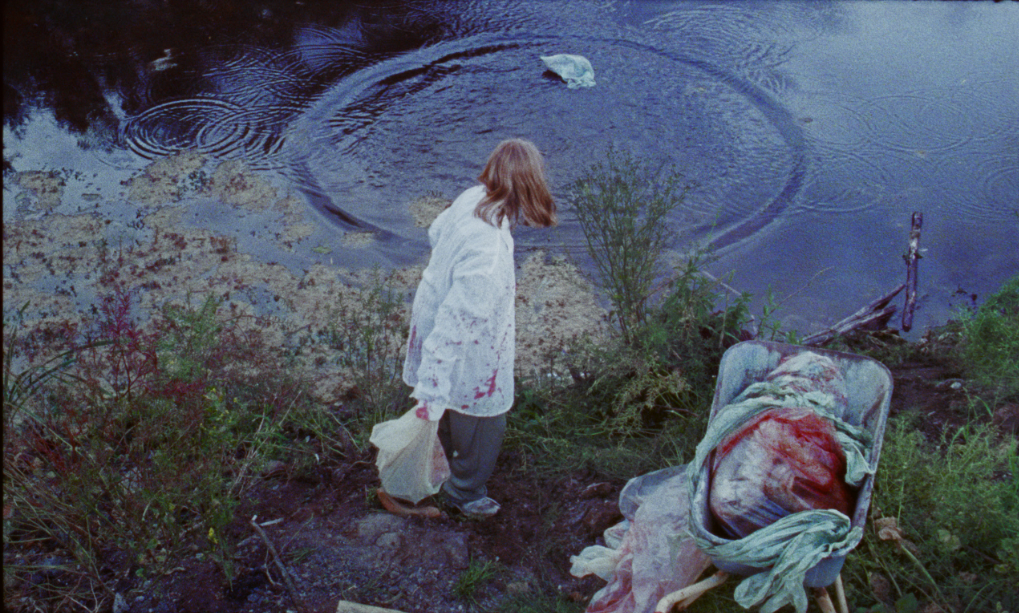
Danish non-dialogue film Inherent may be an eerie vampire horror-romance on the surface, but at its core it’s the story of a young girl who’s desperate to form a connection with someone. The film shares similarities with Claire Denis’ Trouble Every Day and Julia Ducournau’s Raw in concept, but vastly differs in its rather tender execution. Director Nicolai G.H Johansen empathizes with the lead character, who’s brought to life in a stunning performance by actress Sandra Guldberg Kampp (Wildland). Her facial expressions perfectly visualize the loneliness her character goes through and the insecurities that come with trying to come out her shell.
Noir-Soleil
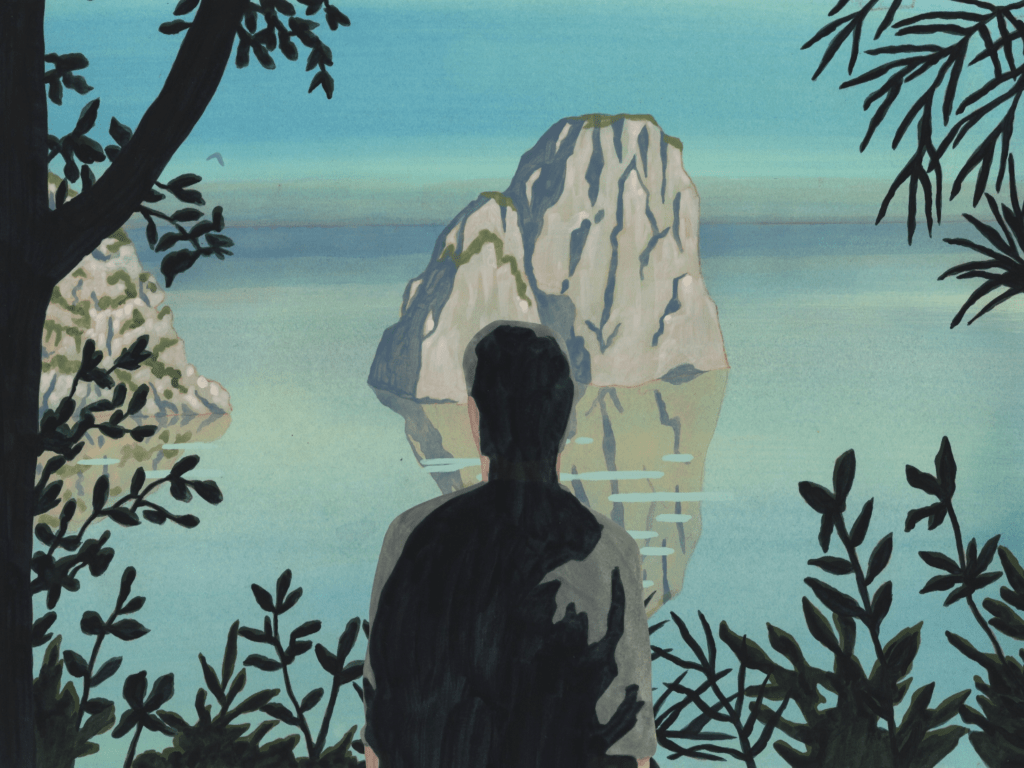
A near-masterwork that explores the long-lasting impact of parental abuse. After a skeleton is found, a man and his daughter travel to Italy to take a DNA-test. Even though Noir-Soleil, the only animated film in this year’s Semaine de la Critique short film competition, is only the second work of director Marie Larrivé, it presents a very fresh and impressive hand-drawn style that marks the director as a filmmaker to look out for. Larrivé has a way of packing many emotions within the frames she creates, crafting a deeply touching film. Noir-Soleil features a gorgeously atmospheric score by Maël Oudin and Pierre Oberkampf. A true highlight of not only the Semaine de la Critique selection, but of the entire Cannes Film Festival.
Intercom 15
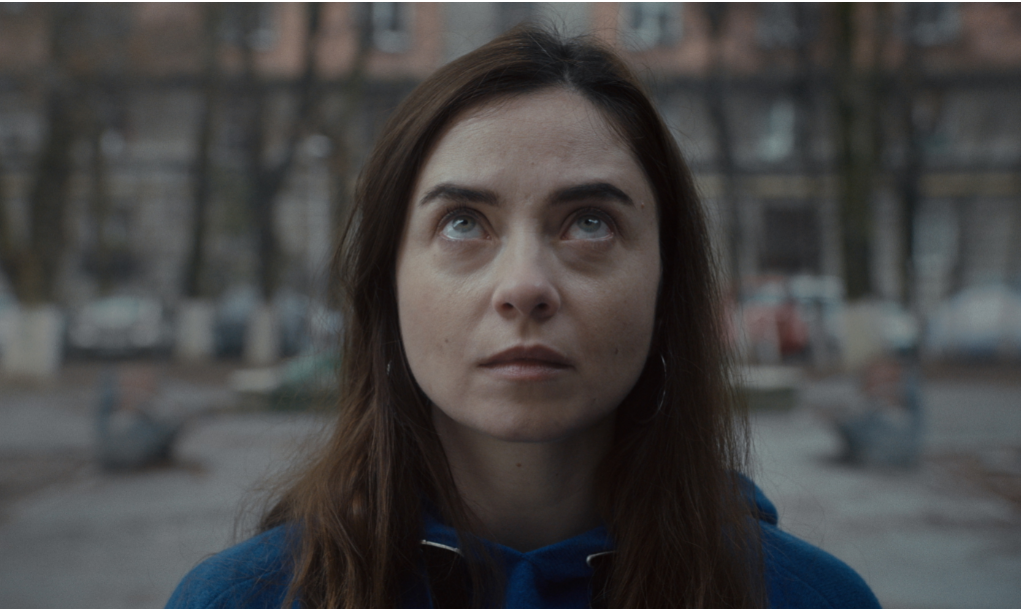
Based on a true story, Intercom 15 is a study in how humans react to death. After an unconscious woman is found in front of an apartment complex, the other residents reflect on their lives, each reacting to the situation differently. In this pitch-black Romanian satire, there’s a specific focus on class and empathy (or rather the lack of). Director Andrei Epure amplifies the feeling of discomfort by creating several static long takes of characters being unfazed by the event, with characters walking out of the frame and new characters appearing. In the end, Intercom 15 delivers a sharp commentary on people’s biases towards the ones who are less privileged than them and the way the former (mis-)treat the latter.
On Solid Ground

During a hot Swiss summer, a woman gradually becomes more tired of her city, the aggravation the environment provokes within her and the harassment she faces in this town. As the temperature in the city rises, so does the woman’s anger. Director Jela Hasler makes it clear that On Solid Ground revolves around a mood, rather than a story. A scream as explosive as a volcano, building up to eruption. While the film does a good job at illustrating this feeling in a powerful final scene, the slight buildup (just 12 minutes) to this moment makes the finale feel undeserved. On Solid Ground fails to generate its intended impact.
If It Ain’t Broke

Two young women strolling through the streets of Haifa at night, seeking escapism. If It Ain’t Broke is another film in which rich atmosphere shines brighter than storyline. Through many closeups and perfectly lit settings, director Elinor Nechemya and DoP May Abadi Grebler create a stunningly warm and sensual film about letting yourself go, if only for one night.
 obviouslyreviews.com